Understanding Pressure Washers
A pressure washer is a powerful machine designed to clean surfaces by utilizing high-pressure water jets. The operation of a pressure washer involves a pump that draws water from a source, pressurizing it and expelling it through a nozzle. This high-pressure spray effectively removes dirt, grime, mold, and other debris from a variety of surfaces. There are two primary types of pressure washers: electric and gas-powered. Electric pressure washers are typically quieter, lighter, and easier to maintain, making them suitable for smaller tasks, such as washing cars or cleaning patios. In contrast, gas-powered pressure washers offer greater power and portability, making them ideal for heavy-duty jobs like cleaning large driveways or siding.
The versatility of pressure washers is one of their significant advantages. They can be used on a range of surfaces, including concrete, wood, and brick. Homeowners frequently invest in pressure washers to enhance the aesthetic appeal of their properties through regular maintenance. For example, pressure washing driveways not only improves the overall appearance but also prolongs the lifespan of the concrete by preventing the growth of harmful mold and mildew. Similarly, decks can benefit significantly from pressure washing, removing accumulated dirt and restoring their original color.
Besides residential tasks, pressure washers are also commonly used in commercial settings, such as cleaning fleets of vehicles or maintaining business exteriors. By investing in a pressure washer, individuals and businesses can save time and labor costs while achieving a professional-level clean. Overall, understanding the basic functionality and diverse applications of pressure washers is essential for those considering a purchase. This knowledge will help potential buyers assess their specific cleaning needs and select the right machine that can effectively tackle various tasks around their home or workspace.
Types of Pressure Washers
When considering the best pressure washer for your cleaning needs, understanding the different types available on the market is crucial. The three primary categories of pressure washers are electric, gas, and portable models, each with its unique features, advantages, and disadvantages.
Electric pressure washers are typically the most popular choice for residential users. They are quieter, lighter, and produce fewer emissions compared to gas-powered models. These washers are ideal for light to moderate cleaning tasks, such as washing cars, cleaning patios, or removing dirt from outdoor furniture. However, electric models may have limitations in terms of power and may not be suitable for heavy-duty cleaning, particularly in more challenging scenarios.
In contrast, gas pressure washers are designed for more demanding tasks. These powerful machines generate higher pressure and flow rates, making them suitable for heavy-duty jobs, like cleaning sidewalks, decks, and even removing graffiti. While gas models offer greater mobility and effectiveness, they come with certain drawbacks, such as increased noise, higher emissions, and the need for regular maintenance. Additionally, they tend to be heavier and more challenging to store compared to their electric counterparts.
Portable pressure washers are a convenient option for those who prioritize mobility and ease of use. These models are generally smaller, lighter, and often battery-powered or compact designs. They are perfect for quick cleaning tasks, such as spot cleaning car interiors or washing outdoor equipment. However, their lower power may limit their effectiveness for extensive cleaning projects.
In summary, choosing the right type of pressure washer hinges on evaluating your specific cleaning needs, frequency of use, and personal preferences. Assessing the advantages and disadvantages of electric, gas, and portable models will ultimately guide you to make the most informed decision suitable for your circumstances.
Pressure Ratings Explained
When selecting a pressure washer, understanding pressure ratings is essential for achieving effective cleaning results. The two primary metrics to consider are PSI (pounds per square inch) and GPM (gallons per minute). PSI indicates the amount of pressure generated by the washer, while GPM measures the flow rate of water. Together, these figures determine the overall cleaning power of the machine.
PSI is significant because it affects how easily a pressure washer can remove dirt, grime, and stains from various surfaces. For lighter tasks, such as cleaning vehicles or patio furniture, a pressure washer with a rating of 1300 to 1900 PSI is generally sufficient. These relatively lower pressure levels reduce the risk of damaging delicate surfaces while still providing effective cleaning. Conversely, for tougher jobs like removing mildew from siding or stripping paint from decks, a higher PSI of 2000 to 3100 is recommended. Such machines can efficiently eliminate stubborn dirt while saving users time and effort.
GPM also plays a critical role in evaluating a pressure washer’s performance. A higher GPM rating means that more water is being delivered, contributing to faster cleaning. For instance, a pressure washer with a PSI of 2000 and a GPM of 2.5 will effectively clean surfaces more quickly than one with the same PSI but only 1.5 GPM. Therefore, when selecting a unit, it is advisable to look for an appropriate balance between PSI and GPM to ensure that the pressure washer meets your cleaning needs.
Ultimately, understanding the significance of these ratings will enable buyers to make informed choices based on specific tasks. By selecting a pressure washer that combines the right PSI and GPM, users can ensure optimal cleaning performance tailored to their requirements.
Build Quality and Materials
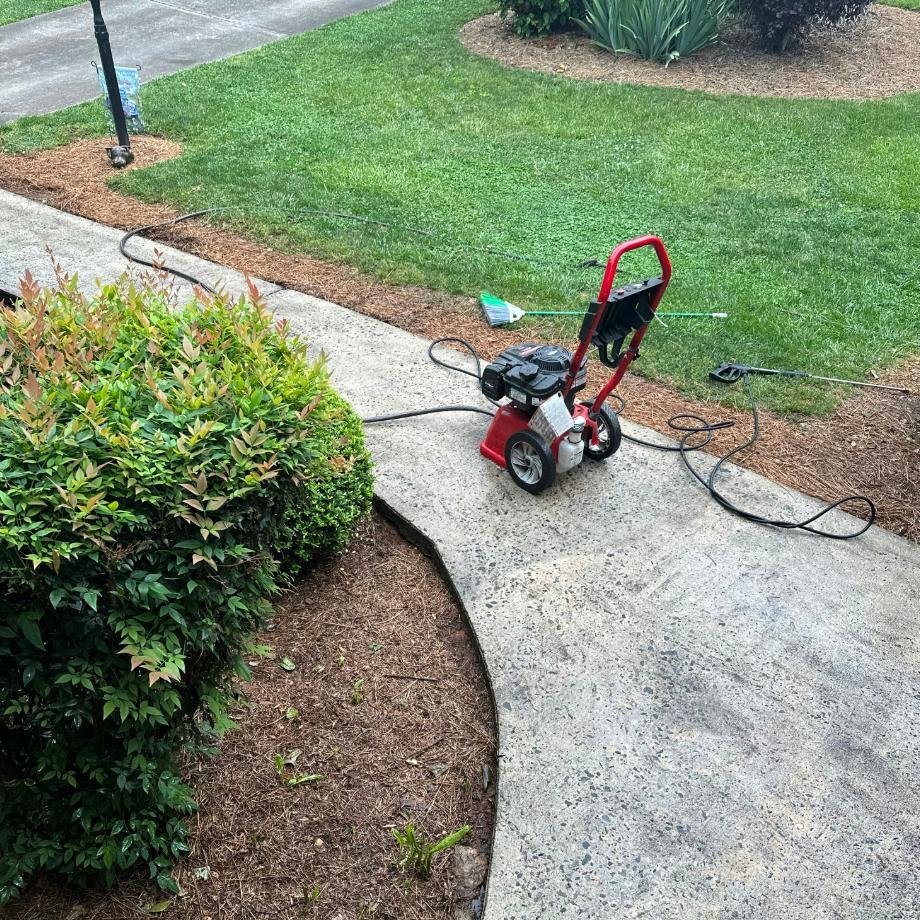
When selecting a pressure washer, it is essential to consider the build quality and materials utilized in its construction. High-quality materials not only enhance the longevity of the machine but also ensure reliable performance throughout its lifespan. Key components to examine include the frame, pump, and hose, each of which contribute significantly to the overall durability of the pressure washer.
The frame construction plays a vital role in its stability and strength. Look for pressure washers with robust metal frames rather than plastic alternatives, as metal frames can better withstand wear and tear during use. Additionally, a well-designed frame provides enhanced support, ensuring that the machine remains steady, even when under pressure. This is particularly important when tackling demanding cleaning tasks.
Another aspect to consider is the size and quality of the wheels. Pressure washers often need to be moved between different locations, making portability a crucial feature. Larger, sturdier wheels facilitate easier maneuverability over various terrains, such as gravel or grass. Models equipped with rubber wheels tend to perform better on uneven surfaces, reducing the risk of tipping over or causing damage to the machine.
The pump is also a central component that merits attention. Opt for pressure washers with brass or aluminum pump heads, as these materials are less prone to corrosion and can handle higher pressures. Furthermore, check for features such as thermal relief valves, which can help prevent overheating during prolonged usage.
Lastly, hoses should be robust and made from high-quality materials to prevent leaks and kinks while offering flexibility. A well-constructed hose allows for a greater range of motion without compromising water flow. By focusing on these critical elements, consumers can select a pressure washer that not only meets their cleaning needs but also boasts exceptional durability and ease of use.
Ease of Use and Features
When selecting a pressure washer, ease of use and practical features play a crucial role in ensuring both efficiency and user satisfaction. One of the primary features to consider is the adjustable nozzle. Models that offer a range of spray patterns can be particularly beneficial, allowing users to tailor the water pressure and spread according to the specific cleaning task at hand. For instance, a narrow spray is suitable for tough grime, while a wider spray can cover larger surfaces more quickly.
Another important feature is the trigger lock mechanism. This safety feature helps to prevent accidental activation, which can lead to unintended damage or injury. A pressure washer equipped with a trigger lock provides peace of mind, especially in households with children or pets. Additionally, models with ergonomically designed handles and lightweight frames tend to enhance ease of maneuverability, making it simpler to move around various surfaces during use.
The length of the hose is also a critical factor. A longer hose allows for greater flexibility, enabling the user to reach farther areas without needing to frequently reposition the washer. Similarly, the availability of extension wands can extend the range of cleaning, making high or hard-to-reach areas more accessible. Furthermore, a pressure washer that incorporates convenient storage options for hoses and accessories ensures a more organized experience, reducing the risk of tangles and damage.
Ease of setup is another vital consideration. Models that come pre-assembled or require minimal assembly considerably enhance the user experience. Overall, an understanding of these features—ranging from adjustable nozzles and hose lengths to safety mechanisms and ease of setup—can significantly improve the operational efficiency and safety of using a pressure washer.
Noise Levels and Environmental Concerns
When selecting a pressure washer, it is essential to consider noise levels, especially for residential use. Different models produce varying sound levels, often measured in decibels (dB). Gas-powered pressure washers typically generate higher noise levels compared to their electric counterparts, which can operate at quieter volumes. This distinction is crucial for individuals living in areas where noise regulations are enforced or for those with close neighbors. A pressure washer that operates quietly can significantly enhance the user experience, while also minimizing disruption to the surrounding community.
In addition to noise, environmental concerns have become increasingly important in recent years. Gas-powered pressure washers tend to have higher emissions due to their combustion engines, contributing to air pollution and negatively impacting local ecosystems. Conversely, electric pressure washers are generally more environmentally friendly, often producing zero emissions during operation. This makes them a preferred choice for those who prioritize environmental sustainability while maintaining effective cleaning power.
Furthermore, considering the type of detergents used is imperative in promoting eco-friendly practices. Many pressure washers allow for the use of various cleaning solutions, ranging from traditional detergents to biodegradable options. It is advisable to select pressure washers compatible with eco-friendly detergents that minimize harmful runoff into water systems. By choosing cleaning agents that are biodegradable, users can reduce their ecological footprint and promote a healthier environment.
In summary, assessing the noise levels of pressure washers and understanding their environmental implications are vital components of the buying process. Opting for quieter, electric models and environmentally friendly cleaning solutions not only aids in effective cleaning but also fosters responsible consumption, aligning with modern environmental standards.
Budget Considerations
When purchasing a pressure washer, establishing a budget is crucial to ensure that you select a model that meets both your needs and financial capabilities. The price range for pressure washers can vary significantly based on their type and features. Generally, electric pressure washers are more affordable, falling between $100 and $300, while gas-powered models can range from $300 to over $1,000. Understanding the factors that contribute to these price differences can help you make a financially sound decision.
The primary distinction between electric and gas models lies in their power and intended usage. Electric pressure washers are typically enough for light to moderate cleaning tasks, such as washing cars or decks, while their gas counterparts are designed to handle heavier-duty jobs, like removing tough stains from concrete surfaces. Therefore, consider your specific cleaning needs when deciding on the model, as this will greatly influence your budget.
It is essential to not only factor in the initial purchase price of the pressure washer but also the long-term operating costs. For instance, gas models may require more maintenance, such as oil changes and fuel purchases, which can add up over time. On the other hand, electric units tend to have lower maintenance and operational costs. When preparing your budget, assess the total cost of ownership over the lifespan of the machine, including potential repairs and replacement parts. This comprehensive approach will help you avoid unexpected expenses in the future.
Ultimately, setting a reasonable budget will enable you to choose a pressure washer that aligns with your financial goals while satisfying your cleaning requirements. A well-thought-out budget guarantees long-term satisfaction with your purchase, providing you with valuable performance and efficiency.
Warranty and Customer Support
When investing in a pressure washer, one critical aspect to consider is the warranty and customer support offered by the manufacturer. A comprehensive warranty not only reflects the manufacturer’s confidence in their product but also provides peace of mind for the consumer. Most pressure washers come with varying warranty periods that can range from one year to several years, often dependent on the parts included. Key terms to look for in a warranty include coverage for the motor, pump, and any integral components. Extended warranties may also be available for those who seek additional protection.
Moreover, it is advisable to scrutinize warranty exclusions carefully. Certain types of damages, such as those resulting from misuse, can void the warranty. As you explore various brands and models, familiarize yourself with not only the duration of the warranty but also the specific terms under which claims will be honored. A robust warranty can save you significant costs in the long run, especially if issues arise shortly after purchase.
Equally important is the level of customer support provided by the manufacturer. Effective customer service can prove crucial when troubleshooting issues or seeking guidance on usage. A reliable brand often maintains multiple support channels, including phone, email, and live chat options. Researching user reviews and ratings can yield valuable insights into the quality of customer service, allowing potential buyers to gauge the responsiveness and efficiency of a brand’s support team.
In summary, carefully evaluating warranty coverage and customer support will enhance your purchasing decision, ensuring that you choose a pressure washer that not only meets your cleaning needs but also offers reliability and assistance when necessary.
Final Tips and Recommendations
When considering the purchase of a pressure washer, it is essential to consolidate the information gathered from previous sections and translate it into actionable insights. Understanding your specific cleaning needs and choosing a model that matches those requirements is a crucial initial step. For instance, surface area size and the type of debris play a significant role in determining the pressure washer’s specifications, such as PSI and GPM.
Additionally, durability and build quality should not be overlooked. Opt for a pressure washer that combines robust features with favorable reviews. Models that have a proven track record for longevity and performance in various conditions often provide a higher return on investment. Therefore, it is prudent to allocate time to read customer reviews, which can reveal the real-world efficacy and limitations of various models.
Another valuable recommendation is to explore options that offer versatility. A pressure washer with adjustable nozzles and multiple accessories can effectively handle a range of tasks, from washing cars to cleaning decks, making it a multi-functional tool for your household. Furthermore, user-friendliness should be high on your consideration list, helping you avoid frustration during operation.
Before finalizing your decision, consider visiting a local retailer to examine some models firsthand. This experience allows you to assess weight, maneuverability, and ease of setup, providing a better understanding of how any unit will fit into your cleaning routine. In this way, you will be more equipped and confident when making your purchase. Remember that a well-informed decision today will lead to a more satisfying pressure washing experience in the future, ensuring that your investment meets your expectations and cleaning demands.