Understanding Softball Glove Sizing
Choosing the right glove size is crucial for softball players, as it directly affects performance, comfort, and overall effectiveness on the field. The proper fit allows players to catch the ball with ease, improving their confidence and execution. Understanding the general range of glove sizes is essential in making an informed decision, and recognizing the distinctions between youth, adult, and women’s sizes can provide clarity in the selection process.
Softball gloves typically come in various sizes that cater to different age groups and hand dimensions. Youth gloves are designed for younger players and usually range from 10 to 12 inches. Adult gloves generally start from around 12 inches and can extend up to 14 inches or more, accommodating larger hands. Women’s gloves are often tailored to better fit the female hand, focusing on narrower profiles, although many women also opt for adult sizes if their hand measurements correspond. Each category offers a spectrum of options to ensure that players of all ages and genders find a suitable fit.
Grip and control are significantly influenced by the size of the glove. A glove that is too small may hinder a player’s ability to catch the ball securely, while an excessively large glove can lead to a lack of precision. These issues can result in diminished performance, whether at the amateur or competitive level. Hence, early measurement of hand size, typically taken from the tip of the middle finger to the base of the palm, serves as a helpful preliminary step. Understanding these guidelines will not only enhance player performance but also boost overall enjoyment of the game.
Measuring Your Hand for the Right Fit
Choosing the appropriate glove size for softball is crucial for optimal performance, and it begins with accurate measurements of your hand. The first step is to measure the length of your palm. To do this, extend your fingers and place a ruler or measuring tape at the base of your palm, where it meets your wrist. Measure to the tip of your longest finger. This length in inches will help guide you in selecting a glove size that fits comfortably and securely.
Next, it is essential to measure the circumference of your hand, which provides additional context for glove fitting. To measure your hand’s circumference, wrap a measuring tape around the widest part of your palm, just below the knuckles, while keeping your hand relaxed. Ensure that the measuring tape is snug but not tight, as this could alter the measurement. Record this measurement in inches for reference.
Both measurements—the length of your palm and the circumference—are vital for selecting the right glove size. Softball gloves are typically sized in a range that can accommodate varying hand sizes, so finding the right measurements can significantly enhance your performance on the field. It is also advisable to compare your measurements against the manufacturer’s size chart, as sizes can vary between brands. Additionally, some players prefer a more snug fit, while others may opt for a looser glove. Taking the time to accurately measure your hand will aid greatly in finding a glove that feels tailored to your specific needs.
Understanding Different Glove Types and Sizes
Choosing the right softball glove is an essential aspect of optimizing performance on the field. Softball gloves come in various types, designed to cater to the specific needs of different positions. The main categories include infielder gloves, outfielder gloves, catcher’s mitts, and utility gloves, each differing in size, shape, and functionality.
Infielder gloves are typically smaller, ranging from 11 to 12.5 inches in length. These gloves are designed for quick movements and are crafted to allow players to easily transfer the ball from glove to hand. The shallow pocket of an infielder glove promotes rapid ball retrieval, making it ideal for shortstops and second basemen, who require agility and speed.
On the other hand, outfielder gloves range from 12 to 12.75 inches, featuring a deeper pocket that aids in securing fly balls over a larger surface area. Outfielders need ample glove size to accommodate the high-velocity catches they encounter. The larger size also allows for better visibility and maneuverability, helping outfield players react swiftly to balls hit into the air.
Catcher’s mitts stand apart due to their unique design, measuring between 32.5 and 34 inches. Unlike standard gloves, which feature finger stalls, a catcher’s mitt is more like a pocket, allowing for optimal ball control when receiving pitches. This specialized glove emphasizes durability and cushioning, essential for protecting the catcher’s hand during intense gameplay.
Utility gloves serve a versatile function, typically measuring around 11.5 to 12.5 inches. These gloves aim to accommodate various playing positions, providing flexibility for players who may switch roles throughout the game. Selecting the right glove size and type is vital in achieving peak performance based on one’s position, enhancing overall gameplay experience.
Youth vs. Adult Size Gloves: What You Need to Know
When selecting a softball glove, it is essential to understand the differences between youth and adult size gloves. The primary variations lie in design, size, and materials used, which cater to different age ranges and skill levels. Youth gloves typically target players aged 4 to 12 years, while adult gloves are designed for players aged 13 and above.
Youth gloves are often smaller in size, with a more straightforward construction aimed at helping beginners develop their skills. The design focuses on providing a lightweight and easy-to-use glove that allows young athletes to learn proper catching techniques without excessive weight hindering their performance. These gloves also feature softer materials, which enable better grip and control, accommodating the still-developing hand strength of younger players.
As players mature and transition into adult gloves, they encounter options that are larger, heavier, and made with more robust materials. Adult gloves are constructed from higher-quality leather, offering greater durability and support for more intense gameplay. The design also incorporates advanced features such as improved finger stalls and padding, which enhance performance for the intermediate and advanced players.
While choosing a glove, one should consider not only the size but also the player’s age and hand growth. Children’s hands grow rapidly, so it is crucial to ensure a proper fit to avoid discomfort or hindered performance. Parents often find youth gloves that are adjustable or come in various sizes helpful, as these options can accommodate a child’s growing hand. Ultimately, understanding the distinctions between youth and adult gloves allows players to make informed decisions that align with their current skill level and ensure optimal performance on the field.
Finding the Right Size for Women’s Softball Gloves
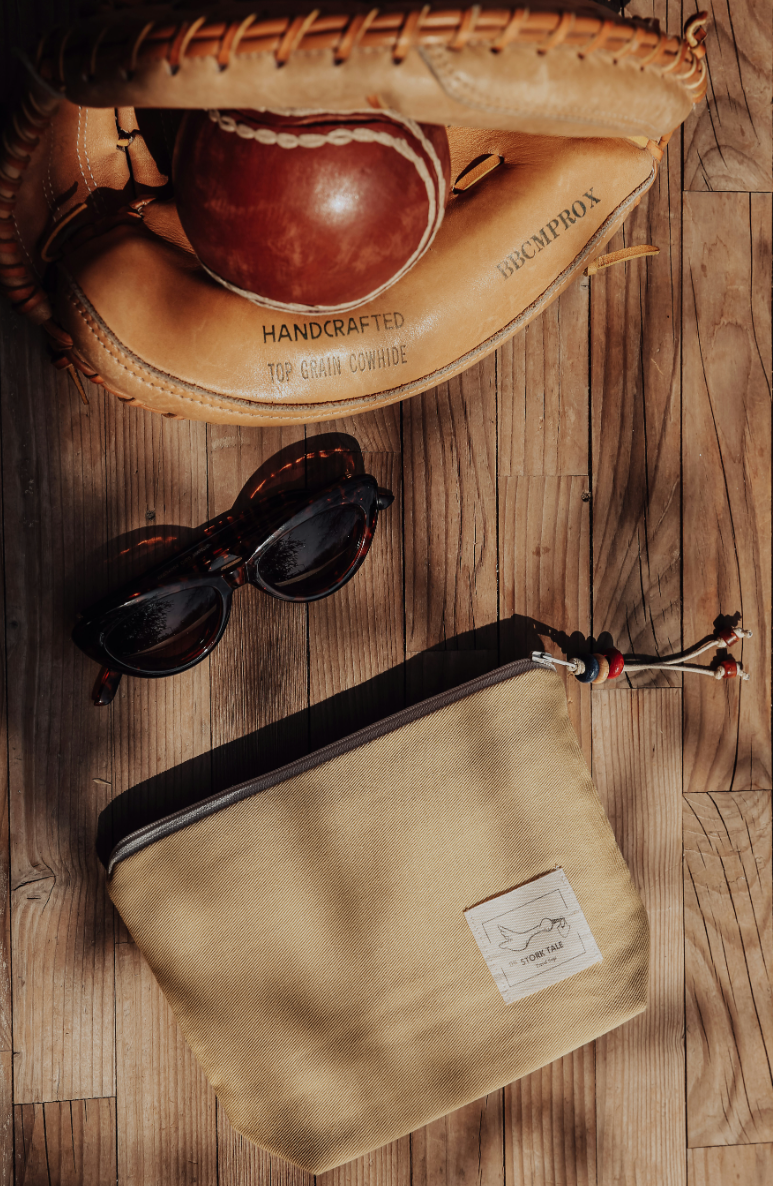
Choosing the appropriate glove size for women playing softball can be challenging due to the various sizing discrepancies prevalent in the market. It is essential to recognize that women’s gloves are typically designed with a different fit compared to general unisex models. Women’s softball gloves often cater to specific hand shapes and sizes, which can significantly enhance comfort and performance on the field.
When selecting a glove, potential buyers should consult dedicated sizing charts specific to women’s gloves. These charts often take into consideration factors such as hand length and width, which can vary widely among players. For instance, a well-fitted glove should provide a snug yet comfortable feel, allowing the player to grip the ball securely without feeling restricted. Understanding these measurements can lead to better glove choices that suit individual preferences and playing styles.
Opting for a women’s model often means selecting a glove crafted from materials that can accommodate smaller hand sizes, with finger stalls designed to enhance dexterity. Moreover, these gloves frequently include additional features such as lighter padding, which can further assist in achieving an optimal fit. Players might also find benefits in attempting gloves that have adjustable wrist straps, as this can enhance the overall fit and support.
There are several popular glove models among women players that stand out for their quality and performance. Models like the Wilson A2000 and Mizuno Prospect series have received commendations for their durability and fit, making them excellent choices for both recreational and competitive play. Investing the time to find the right size and model can profoundly impact a player’s confidence and effectiveness on the field.
Common Sizing Mistakes to Avoid
Selecting the appropriate glove size for softball is critical for optimal performance, and many players often make common sizing mistakes that can hinder their game. One prevalent error is choosing a glove that is either too large or too small. While it may seem intuitive to select a bigger glove for added reach, an oversized glove can impede a player’s ability to effectively catch and control the ball. Conversely, a glove that is too small may restrict movement and comfort, making it difficult to secure the ball effectively. Therefore, finding a glove that fits snugly around the fingers while allowing flexibility is essential.
Another mistake players commonly overlook is neglecting to take accurate hand measurements. Measurements such as palm width and finger length are vital for ensuring a glove fits properly. Relying solely on generic sizing guides without personal measurements can lead to incorrect choices. Players need to assess their hands accurately and refer to specific sizing charts provided by manufacturers, which often vary. This will allow for a more personalized fit, enhancing both comfort and performance.
Additionally, focusing too much on brand names can lead to sizing errors. While some brands may have a reputation for quality, their sizing may not align with every player’s needs. Each manufacturer has its own sizing standards, which means a glove from one brand may not fit the same as one from another. It is recommended to prioritize fit and comfort over brand loyalty. By trying on multiple gloves from different brands and considering individual hand shape and size, players can avoid common pitfalls and select a glove that enhances their performance on the field.
How to Break in Your New Glove Properly
Breaking in a new softball glove is a crucial step that significantly affects performance on the field. A properly broken-in glove not only enhances grip and flexibility but also molds to the player’s hand, allowing for optimal control when catching and throwing. Several techniques have been proven effective in speeding up the break-in process, and applying them can ensure that your glove provides the perfect comfortable fit sooner rather than later.
One of the most commonly used methods is oiling the glove. Applying a specialized glove oil or conditioning agent helps soften the leather, making it more pliable. It is recommended to use a light amount of oil, massaging it into the glove with clean hands, particularly focusing on high-use areas like the pocket and thumb. After applying the oil, you may want to close the glove around a softball and leave it wrapped tightly overnight. This helps create a natural pocket that will accommodate the ball effectively.
Another effective technique involves playing catch regularly. Engaging in light play sessions allows the glove to mold to your hand’s shape naturally over time. It is beneficial to start with soft throw-catching sessions before progressing to harder throws, which can accelerate the breaking-in process without overwhelming the glove. Moreover, some players utilize a baseball or softball wrapped in the glove and secured with rubber bands. This method is particularly useful for maintaining the desired pocket shape and ensuring consistent performance.
In addition to oiling and playing catch, it is vital to regularly flex the glove by bending it in various directions. This not only helps to loosen the leather but also aids in developing muscle memory for different catching positions. Through consistent practice and care, players can ensure their gloves are perfectly broken in and ready to deliver peak performance throughout the season.
Personal Preferences: Glove Feel and Style
When it comes to selecting a softball glove, personal preferences play a significant role in determining the ideal fit. Each player has unique requirements based on their comfort, style, and even the materials used in the glove’s construction. Softball gloves can vary widely in terms of weight, flexibility, and overall feel, making it imperative for players to explore various options to discover what resonates most with them.
The feel of a glove is primarily influenced by its design and materials. For example, gloves made from leather are generally heavier but offer durability and a natural feel, while those created from synthetic materials may be lighter and require less break-in time, allowing for immediate use. Players should consider how the glove feels on their hand during practice, as comfort can significantly impact performance. A glove that feels too bulky or restrictive can hinder a player’s ability to catch or throw effectively.
Additionally, style preferences can vary remarkably among players. Some may prefer a traditional look with classic colors, while others might gravitate towards modern designs with vibrant patterns or branding. The aesthetics of a glove can enhance a player’s confidence, which is equally important in competitive sports. Trying on various models from different brands is crucial; each manufacturer may have distinct sizing, varying degrees of flexibility, and differing closures, such as Velcro or laces. Finding a glove that feels right involves not only assessing its fit but also considering how it aligns with a player’s personal style.
Ultimately, finding the perfect glove encompasses both comfort and individual aesthetic choices. Opting for a glove that feels right and complements a player’s style can significantly enhance their overall experience on the field.
Conclusion: Choosing the Right Glove Size for You
Ultimately, selecting the appropriate glove size for softball is a crucial decision that significantly impacts a player’s performance and comfort during games and practices. Understanding that every player has unique hand shapes and sizes is vital in the selection process. Players should begin by measuring their hand and trying on multiple gloves to determine which provides the best fit without compromising mobility or dexterity. An ideal glove is one that allows for ease of movement while providing enough support and stability to enhance gripping and catching abilities.
It is essential to consider each glove’s style, size, and material, as these factors contribute to how well the glove fits and performs. For instance, a snug fit may offer better control, while a looser fit can provide more comfort during long hours of play. Additionally, different positions on the field may require varying glove sizes; for example, infielders might prefer smaller gloves for quicker maneuvers, while outfielders often opt for larger models to catch high-flying balls effectively.
Investing time in choosing the right glove is just as important as refining one’s skills in the sport. Players should take their time during the selection process, experimenting with different options to find the perfect match that enhances their game. Remember, a well-fitted glove not only boosts performance but also contributes to the overall enjoyment of playing softball. Therefore, players should not rush this decision but carefully evaluate all available options, ensuring they choose a glove that truly complements their individual needs and playing style.