Understanding Racquet Types
When embarking on the journey to choose the best tennis racquet, it is imperative to understand the various types available in the market, as they cater to different skill levels and playing styles. Tennis racquets are generally categorized into three main types: beginner, intermediate, and advanced. Each category possesses distinct characteristics that influence performance on the court.
Beginner racquets are specifically designed for those who are new to the game. They typically feature a larger head size, which provides a larger sweet spot, making it easier to hit the ball accurately. The weight of beginner racquets is usually lighter, enhancing maneuverability and reducing the risk of injury. Additionally, these racquets usually have a balanced feel, aiding new players in developing their skills without compromising comfort during play.
As players progress to an intermediate level, their needs change. Intermediate racquets tend to have a smaller head size compared to beginner models, providing more control and precision. These racquets often have a slightly heavier weight, allowing for the development of power in strokes. The balance can vary between head-heavy and even-balanced, depending on the player’s preference and playing style. This category aims to enhance players’ overall performance while still being forgiving for occasional errors.
Advanced players require racquets that offer maximum control, spin potential, and feel. As such, advanced racquets typically feature a smaller head size, which aids in precision shots. The weight is usually greater, allowing experienced players to generate power and maintain stability during vigorous play. Advanced racquets often come with varying balance points to suit different playing styles, whether aggressive baseliner or strategic serve-and-volley. A thorough understanding of these racquet types will empower players to select a racquet that aligns with their individual skills and preferences, ultimately improving their game.
Grip Size and Length
When selecting a tennis racquet, two critical specifications to consider are grip size and racquet length. These factors significantly influence a player’s performance, comfort, and overall effectiveness on the court. Choosing the appropriate grip size is essential for achieving optimal control and preventing injuries. A grip that is too small may cause the racquet to slip during play, while a grip that is too large can lead to discomfort and decreased maneuverability.
To determine the right grip size, a common method involves measuring the distance from the tip of the ring finger to the second crease of the palm. This measurement typically corresponds to specific grip sizes, usually ranging from 4 inches to 4 ¾ inches for adult racquets. Additionally, one can use the “Eastern grip” test: hold the racquet in your dominant hand, ensuring that your fingers and palm wrap comfortably around the handle, leaving just enough space for the index finger to sit without any pressure. This method provides a more intuitive approach to finding the suitable grip size.
Racquet length is another important specification that can enhance a player’s performance depending on their playing style and physical attributes. Standard racquets measure between 27 and 29 inches in length, with longer racquets providing increased reach and leverage on serves and groundstrokes. However, longer models, while advantageous for some, may reduce control. Consequently, players should consider their style of play when selecting length; for instance, a power player may prefer a longer racquet for added swing speed, while a control-oriented player may favor a shorter length for better precision.
By carefully considering grip size and racquet length, players can enhance their comfort level and performance, ensuring an enjoyable and effective playing experience.
Head Size: Power vs. Control
When selecting a tennis racquet, one of the most critical factors to consider is the head size, which influences both power and control. The head size of a racquet typically falls into three categories: oversized, mid-plus, and midsize. Each category possesses distinct characteristics that cater to various playing styles and preferences.
Oversized racquets, generally featuring a head size of 105 square inches or larger, are known for their ability to generate power. The larger hitting surface offers a greater margin for error, making it easier for players to hit the ball effectively. This size is particularly beneficial for beginners or players who prefer an aggressive baseline play style. The added surface area allows players to achieve depth and speed on their shots, providing a significant advantage during fast-paced rallies.
On the other hand, mid-plus racquets, ranging from 98 to 104 square inches, strike a balance between power and control. This size is ideal for intermediate players who possess a certain level of skill but are not yet ready to fully commit to a specialized playing style. The combination of power and precision makes mid-plus racquets versatile, enabling players to execute a variety of shots effectively, from strong forehands to delicate volleys.
Midsize racquets, which typically have a head size of 85 to 97 square inches, prioritize control over power. These are favored by advanced players who have mastered their technique and seek to place their shots with precision. The smaller head size provides a more direct feel, allowing for enhanced shot placement and spin. Players who engage in precise net play or strategic point construction will find midsize racquets more suitable for their style.
In conclusion, understanding the relationship between head size and playing style is essential in selecting the right tennis racquet. Each head size offers unique advantages that can enhance a player’s performance, making it crucial to choose one that aligns with personal preferences and skill levels.
Weight and Balance: Finding Your Ideal Feel
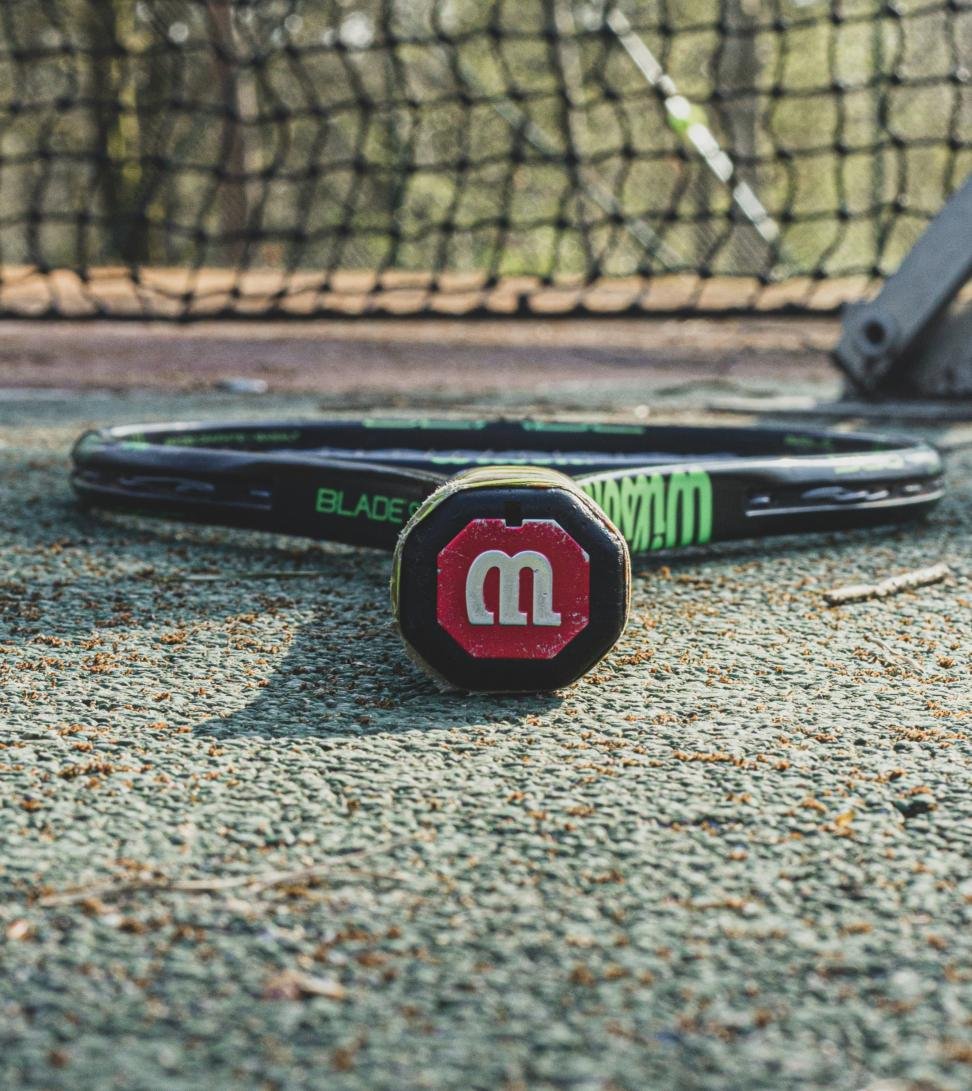
When selecting a tennis racquet, understanding the significance of weight and balance is essential for enhancing performance on the court. The weight of a racquet affects how a player maneuvers it, influences swing speed, and dictates overall control. Generally, racquets can be classified into three primary categories: lightweight (under 9.5 ounces), medium (9.5 to 11 ounces), and heavy (over 11 ounces). Lightweight racquets are easier to handle and generate quick swings, making them ideal for beginners or players with less upper body strength. Conversely, heavier racquets provide greater stability and power, suitable for more experienced players who can manage the additional weight.
Balance plays a crucial role in a racquet’s performance. There are three primary balance types: head-heavy, head-light, and even balanced. A head-heavy racquet shifts most of the weight towards the racquet’s head, offering more power and stability upon impact with the ball. This design is particularly advantageous for players who employ aggressive baseline strategies or serve with a powerful motion. In contrast, a head-light racquet focuses weight towards the handle, providing better maneuverability and faster response times. It is ideal for players who utilize quick volleys and need to react swiftly at the net. An even balanced racquet offers a compromise, allowing for a blend of both power and control, catering to players who seek versatility in their game.
To determine the ideal weight and balance, players should consider their physical strength, playing style, and skill level. Conducting an experiment by swinging various racquet options can provide valuable insight into what feels comfortable and enhances individual performance. Ultimately, choosing the right weight and balance will not only improve gameplay but also allow players to feel confident and in control on the court.
Material and Construction: Performance Factors
The material and construction of a tennis racquet are pivotal in determining its performance and the player’s overall experience on the court. Various materials are commonly employed in the manufacture of racquets, including graphite, aluminum, and composite materials, each presenting distinct advantages and characteristics. Understanding these materials can better equip players to select the best racquet suited to their playing style and preferences.
Graphite is a widely favored material among advanced players due to its lightweight nature and stiffness. Racquets composed predominantly of graphite tend to offer superior power and precision, allowing players to generate faster swings and control the ball effectively. The inherent feel that graphite provides is another notable attribute, contributing to enhanced shot feedback. Consequently, for those seeking an optimal combination of power and responsiveness, high-end graphite racquets may be the best choice.
On the other hand, aluminum racquets are generally regarded as more durable and cost-effective options. They are typically heavier than graphite racquets, which can lend stability and control to less experienced players. Furthermore, aluminum racquets absorb vibrations well, potentially enhancing comfort during play. However, due to their weight and construction, they might not provide the same level of performance that graphite offers for advanced use.
Composite materials represent a merger of several components, often incorporating both graphite and other materials to balance performance, stability, and cost. These racquets strive to combine the beneficial properties of various materials, producing a versatile option for players across different levels. Composite racquets can deliver a gratifying blend of power and feel while generally remaining lighter than their aluminum counterparts.
Ultimately, the choice of material heavily influences factors such as durability, feel, and performance—critical elements for any player looking to enhance their game. By carefully considering the construction and materials of a racquet, players can make informed decisions that align with their desired playing style and objectives.
String Patterns and Tension: Customizing Your Game
The configuration of string patterns and the tension at which they are strung play a crucial role in the performance of a tennis racquet. There are two primary types of string patterns: open and dense. Open string patterns, characterized by a lower number of strings, typically offer more spin potential and a softer feel. This configuration allows the ball to sink deeper into the strings, imparting enhanced spin capabilities, which can be particularly advantageous for aggressive players who rely on topspin or slicing to dictate play.
In contrast, dense string patterns, with a higher number of strings, provide increased control and a more stable response during ball impact. Players who prefer hitting with precision may find that dense patterns suit their style better, as they reduce the likelihood of string movement after contact with the ball. Understanding the difference between these two options is essential for choosing a racquet that aligns with one’s playing style.
String tension is another customizable aspect that can significantly impact performance. Higher tension often results in greater control and responsiveness but may reduce the level of power and comfort. Conversely, lower tension usually offers a more forgiving feel, enhancing power and comfort, particularly on off-center hits. Players seeking to optimize their racquet to match their preferences should consider experimenting with different tensions. The ideal tension often varies based on one’s skill level, playing style, and even physical condition. Therefore, it may be beneficial to consult with a professional stringer or coach to determine the best string configuration, ensuring that the racquet complements the player’s unique abilities on the court. Personal customization of string patterns and tension ultimately allows players to tailor their equipment, enhancing overall performance and enjoyment during matches.
Test Before You Buy: Demo Programs
Choosing the right tennis racquet can significantly influence a player’s performance on the court. Before making a purchase, it is vital to understand how a racquet feels and performs in actual play. Many sporting goods stores and tennis clubs offer demo programs that allow players to try out various racquets before committing to a specific model. These programs provide an excellent opportunity to evaluate the characteristics of different racquets, ensuring an informed decision.
When participating in a demo program, players should pay close attention to several key factors. First and foremost, consider the weight and balance of the racquet. A heavier racquet may offer more power, but it could also lead to fatigue during prolonged matches. Conversely, a lighter racquet may enhance maneuverability but might not deliver the same level of force. Assessing how the racquet feels while swinging is crucial in understanding personal preferences.
Additionally, the grip size is another critical aspect to evaluate during a demo session. An improper grip size can lead to discomfort and affect control and accuracy. Players should experiment with different grip sizes to discover what feels most natural, as this can enhance overall performance and reduce the risk of injury.
Playing a few practice matches or drills with various racquets during a demo session will allow players to experience the feel of each racquet in actual gameplay conditions. It is advisable to focus on different strokes, such as serves, volleys, and groundstrokes, to analyze how each racquet handles. After testing, players should take notes on their impressions to aid in their final decision.
In conclusion, utilizing demo programs is an essential step in the racquet selection process, empowering players to make a well-informed choice tailored to their unique playing style and requirements. Through careful evaluation and testing, finding the best tennis racquet becomes a more manageable and rewarding experience.
Budgeting: Finding Quality Within Your Price Range
When selecting a tennis racquet, establishing a budget is a crucial first step. The market offers a wide range of prices, from entry-level racquets under $50 to high-end models that can exceed $300. Understanding the price bracket that suits your needs and preferences is essential for making an informed purchase without straining your finances.
Begin by assessing your skill level and playing frequency. If you are a beginner, investing in an expensive, professional-grade racquet may not be necessary. Entry-level racquets typically offer sufficient quality for new players to develop their skills. These racquets often feature lightweight designs and forgiving frames, making it easier to enjoy the game without significant financial commitment.
For intermediate and advanced players, the budget may expand as the need for enhanced performance increases. In this case, it is wise to consider racquets that offer advanced technologies, such as improved aerodynamics and materials that aid in power and control. Generally, spending between $100 and $200 can provide a good balance of performance and value. However, thoughtful research can uncover quality options around or below this price point.
Additionally, keep an eye out for seasonal sales and promotions from recognized sports retailers or online stores. These opportunities can provide significant savings, allowing you to acquire higher-quality racquets within your budget. Investing in a well-crafted tennis racquet is essential, as it can greatly impact your playing experience and overall enjoyment of the sport.
Setting a defined budget paves the way for a more focused and satisfying shopping experience, ensuring your investment in a tennis racquet aligns both with your performance goals and financial considerations.
Maintenance and Care for Longevity
Proper maintenance and care of a tennis racquet are key factors in ensuring its longevity and optimal performance over time. Regular attention to specific aspects can significantly extend the lifespan of the racquet and enhance the playing experience.
One of the most critical components of racquet maintenance is string replacement. Depending on the frequency and style of play, strings may need to be replaced every few weeks to several months. Players who utilize a lot of topspin or hit hard may notice wear and tear more quickly. Signs that strings need to be replaced include fraying, loss of tension, or diminished responsiveness. Using a string tension that suits your playing style can also contribute to better performance and less strain on the racquet structure.
General care is essential for preserving a tennis racquet. After each use, it is beneficial to wipe down the frame and strings with a dry cloth to remove sweat and dirt, as these elements can accelerate wear. Players should also avoid using their racquets as leverage or for unintended purposes, which can lead to damage. When not in use, store the racquet in a protective cover to prevent exposure to extremes of temperature and humidity, which may adversely affect the frame and strings.
Additionally, proper storage plays a vital role in maintaining a tennis racquet. Keep it in a cool, dry place away from direct sunlight and heat sources, as consistent exposure can warp the frame and deteriorate the strings. Using a racquet bag can provide extra cushioning during transport, further safeguarding against accidental impacts.
Adhering to these best practices will ensure that your tennis racquet remains in optimal condition for many matches, allowing you to enjoy the sport to its fullest while taking care of your investment.