Introduction to Tiller and Rotavator
In the realm of gardening and agriculture, tools that facilitate soil preparation play a pivotal role in ensuring optimal growth conditions for plants. Among these tools, tillers and rotavators are two prominent machines, each designed for specific gardening tasks. Understanding the distinctions between a tiller and a rotavator is crucial for landowners, farmers, and gardening enthusiasts seeking to enhance their soil management strategies.
A tiller, commonly referred to as a cultivator, is primarily employed for breaking up and aerating the soil. It is designed to churn through the top layers of soil, promoting the loosening of compacted ground by turning the dirt over. This process assists in weed control and improves the soil’s structure, encouraging better root growth for plants. Tillers vary in size and can be classified into two main categories: front-tine tillers, which are suitable for home gardens, and rear-tine tillers, ideal for larger plots. They are especially useful in preparing seedbeds and increasing nutrient availability for crops.
Conversely, a rotavator serves a slightly different purpose. It is a powerful agricultural implement equipped with rotating blades that cut through the soil at a deeper level. This deeper tillage not only helps in preparing the ground for planting but also incorporates organic materials, such as compost, into the soil. Rotavators are typically used in larger agricultural settings and can significantly reduce the time required for heavy-duty soil preparation tasks. Their robust design allows them to handle varying soil types and conditions, making them an integral part of modern farming practices.
In conclusion, while both tillers and rotavators contribute significantly to soil preparation and health, understanding their individual functions, strengths, and best-use scenarios can enhance gardening and farming efficiency. Recognizing the unique features of these tools allows users to make informed decisions tailored to their specific agricultural needs.
What is a Tiller?
A tiller is an essential piece of gardening equipment primarily designed for the preparation and cultivation of soil. Its primary function is to break up and aerate compacted soil, making it easier for plants to grow. Tillers come in various designs, but they are generally categorized into two main types: front-tine and rear-tine tillers. Each type serves specific purposes and offers distinct advantages based on the user’s needs and the nature of the soil being worked.
Front-tine tillers feature their tines located at the front of the machine, making them particularly effective for lighter, more manageable tasks such as turning soil in smaller plots or gardens. These tillers are typically more maneuverable and are well-suited for breaking up existing soil, incorporating compost or fertilizers into the top layer, and preparing seed beds for planting. They are ideal for home gardeners who need a compact solution for tending to their cultivated areas.
On the other hand, rear-tine tillers have the tines positioned at the back. This design allows for more powerful performance, making them suitable for larger and more challenging soil preparation tasks. These tillers can break up hard and compacted ground more effectively, making them an excellent option for initial land clearing or for cultivating vacant lots. Rear-tine tillers often come with adjustable tine speeds, allowing users to select the appropriate setting based on the specific requirements of the soil and the level of preparation needed.
In conclusion, tillers play a crucial role in soil preparation, helping to create a conducive environment for plant growth. Their design and functionality vary between front-tine and rear-tine models, accommodating diverse gardening needs and soil types, and making them invaluable tools for both amateur and professional gardeners.
What is a Rotavator?
A rotavator, often referred to as a rotary tiller, is an essential agricultural tool primarily utilized for soil preparation. It operates by employing a series of curved steel blades or tines that rotate rapidly to break up soil, making it easier to cultivate. This machine is crucial in the process of incorporating organic matter, loosening the soil, and effectively aerating it. The design of a rotavator allows it to handle various soil conditions, including compacted clay and rocky terrains, which are generally more challenging for traditional tillers.
The construction of a rotavator typically consists of a sturdy frame, a powerful engine, and a set of rotating blades that cut through the earth. The blades vary in size and shape, depending on the specific functionality of the rotavator. This adaptability is significant, as it enables the machine to function effectively on diverse agricultural tasks. For instance, larger rotavators can manage extensive plots of land, making them suitable for commercial agriculture, while smaller models are perfect for gardening or smaller farms.
One of the key differences that set rotavators apart from standard tillers is their capacity to operate efficiently in tougher soil conditions. While tillers are excellent for standard garden soil, rotavators excel in applications requiring deeper soil mixing. This capability makes them a versatile choice for both small-scale and large-scale agricultural applications. Whether breaking new ground for a garden or preparing land for crops, a rotavator’s efficiency and effectiveness make it an invaluable asset in modern farming practices.
Key Differences in Functionality
Tillers and rotavators are both essential tools in the realm of soil cultivation, yet they serve distinct purposes and function differently. A tiller, often referred to as a garden tiller, is primarily designed for the task of loosening and aerating soil. It utilizes a series of rotating blades or tines to break up the earth to a relatively shallow depth. This enables the gardener to prepare a seedbed and incorporate organic matter into the soil efficiently. Tillers are particularly useful for tasks such as mixing compost, weeding, and turning over existing soil. They excel in small to medium-sized gardens and can adapt to various soil types, providing maneuverability and ease of use.
On the other hand, a rotavator, also known as a rotary tiller, has a more robust design and is effective for deeper soil cultivation. Unlike tillers, rotavators employ a heavier construction, which allows them to penetrate the soil at greater depths. This makes rotavators the preferred choice for larger agricultural areas or compacted soils requiring extensive tillage. The rotary motion of the blades in a rotavator not only incorporates soil and organic materials but also breaks up hardpan and improves soil structure. While they are highly efficient for extensive farming applications, they can be less suitable for small gardens due to their size and operational complexity.
In essence, the choice between a tiller and a rotavator hinges on the size of the area to be cultivated and the specific objectives of soil manipulation. Gardeners focused on surface-level tasks may find tillers advantageous, while those aiming for deeper tillage on larger plots would benefit more from a rotavator. By understanding these key differences in functionality, individuals can make informed decisions regarding which tool best aligns with their gardening or farming needs.
Ease of Use and Portability
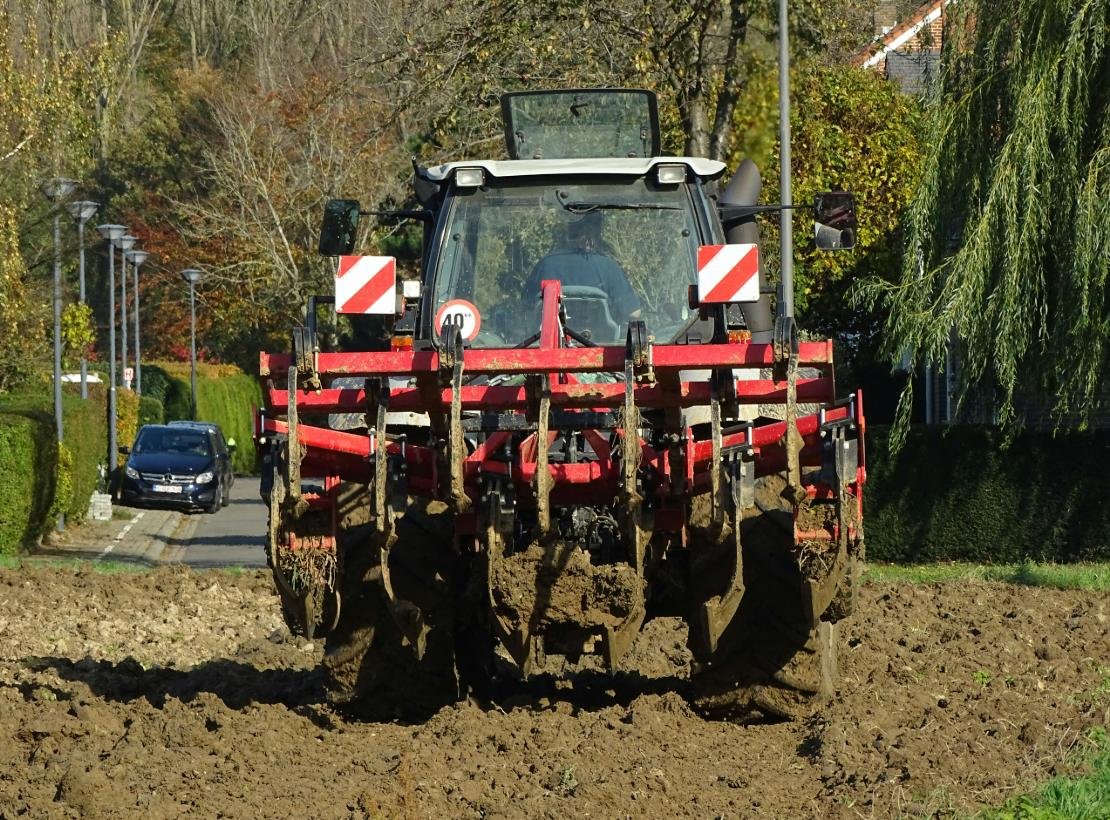
When comparing tillers and rotavators, one of the primary factors to consider is ease of use and portability. For the average gardener, maneuverability plays a critical role. Tillers are generally lighter and more compact than rotavators, making them easier to handle for those with limited strength or experience. Their smaller size allows for simple navigation through tight garden spaces, which is especially advantageous for gardens with intricate layouts or raised beds.
Rotavators, while often more powerful, come with increased bulk and weight. This added heft may be a disadvantage for smaller-scale gardening activities or for users who may struggle to operate heavier machinery. However, the rotavator’s design often encompasses larger cutting widths, which minimizes the time required to prepare larger plots of land, making them a preferred option for professional farmers who deal with expansive fields.
Storage is another aspect to consider. Due to their size and weight, rotavators may require dedicated storage space, which could be a concern for homeowners with limited garage or shed capacity. Tillers, on the other hand, usually can be stored in more confined spaces, and their lighter weight often means they can be transported easily in smaller vehicles. Additionally, many modern tillers are designed with foldable or detachable parts, further enhancing their portability and ease of storage.
Overall user-friendliness is paramount when selecting between these machines. Tillers tend to cater to the novice gardener or the individual performing light garden tasks, with intuitive controls and a less daunting operational approach. Conversely, while rotavators may present a steeper learning curve, they are highly efficient for those who require robust performance for extensive agricultural work. Understanding these nuances can significantly impact user experience and satisfaction.
Cost Considerations
When deciding between a tiller and a rotavator, it is essential to evaluate the financial implications associated with both options. The initial purchase price is often the first consideration. Generally, tillers present a more budget-friendly choice, especially for home gardeners. Prices can vary significantly based on the brand, type, and features, but they typically range from $200 to $800. In contrast, rotavators, which are larger and more powerful machines suitable for more extensive or commercial agricultural tasks, usually come with a higher price tag, ranging from $1,000 to several thousand dollars.
In addition to the initial investment, maintenance costs are another critical factor to consider. Tillers usually require less maintenance compared to rotavators, maintaining simpler machinery and easier access to parts. Users can often perform basic maintenance tasks themselves, leading to lower overall upkeep costs. On the other hand, rotavators, with their more complex mechanisms, may necessitate professional servicing and more expensive replacement parts, resulting in higher maintenance expenditures over their lifespan.
Furthermore, evaluating the frequency of use and scale of gardening or farming tasks can lead to significant long-term savings. For occasional gardeners or small-scale users, renting a rotavator or tiller may be more economical than purchasing one outright. Renting can provide the necessary equipment during peak seasons without the financial burden of ownership, allowing users to pay only for the time and extent needed. However, frequent users, such as commercial farmers, may find that investing in their machinery ultimately pays off when factoring in both rental fees and the convenience of readily available tools. This analysis highlights the importance of assessing personal needs and potential future requirements when making a decision.
Suitability for Different Soil Types
Understanding the differences in soil composition is vital when choosing between a tiller and a rotavator, as each piece of equipment is suited for specific soil types. Sandy soil, characterized by its coarse texture and excellent drainage capabilities, can be effectively tilled with both machines. A tiller can work well in sandy conditions, breaking up the soil and preparing it for planting. However, a rotavator may be preferred due to its ability to mix in organic matter, enhancing nutrient retention, which is often lacking in sandy soils.
In contrast, clay-heavy soils present a different challenge. These soils are dense and compact, making them difficult to manage. A rotavator is typically the better choice for clay-heavy soil because of its robust design and greater power. The rotavator’s ability to cut through tough soil compaction allows for more effective soil aeration and preparation. On the other hand, tillers may struggle with penetrating heavy clay, leading to inefficiency and potential damage to the equipment.
Loamy soil, considered the ideal soil type for gardening and farming, benefits from both tillers and rotavators. The balanced texture combines the best characteristics of sandy and clay soils. Gardeners may opt for a tiller for light to moderate tilling, as it promotes aeration and weed control. However, for larger areas or when preparing ground for in-depth cultivation, a rotavator may provide a more effective thorough mixing of soil components, enhancing the overall fertility and readiness of the land for planting.
Ultimately, selecting the right equipment according to soil type not only increases efficiency but also contributes to healthier soil and more productive crops.
Maintenance and Longevity
Maintaining agricultural equipment is crucial for ensuring optimal performance and durability. Both tillers and rotavators require regular upkeep, but their maintenance procedures may vary due to differences in design and function. Understanding the specific needs of each machine can significantly enhance their longevity and efficiency.
For tillers, periodic inspections should focus on the tines and belts. Tines can become dull or damaged from excessive use or contact with hard soil, which may necessitate sharpening or replacement. It is advisable to check the tines at least once a season to ascertain their condition. The belts, which transfer power from the engine to the tines, should also be inspected for signs of wear and tear. Maintaining appropriate tension in the belts is vital to prevent slippage and ensure smooth operation. Additionally, cleaning the equipment after use helps prevent soil buildup, which can lead to corrosion and wear over time.
On the other hand, rotavators often involve more complex mechanisms, making their maintenance slightly more intricate. Regular lubrication of the moving parts is essential, as this helps to reduce friction and wear. Rotavator blades may also require sharpening or replacement, particularly when used in hard or rocky soil. Moreover, checking and adjusting the gearbox oil levels is critical to ensuring smooth operation and can extend the machinery’s lifespan.
Users of both tillers and rotavators should adhere to the manufacturer’s maintenance recommendations for optimal use. Proper storage in a dry, sheltered location can prevent rust and deterioration when the equipment is not in use. By investing time in maintenance and addressing issues promptly, users can maximize the lifespan of their equipment and ensure they reap the benefits of their investment in the long term.
Conclusion: Choosing the Right Tool for Your Needs
When selecting between a tiller and a rotavator, it is crucial to consider the specific requirements of your gardening or agricultural tasks. Both tools serve distinct purposes, and understanding these differences can significantly enhance your efficiency in soil preparation. A tiller is typically more suitable for breaking up compacted soil and integrating organic material, making it an excellent choice for smaller gardens or vegetable patches. Its simple design allows users to manage garden beds effectively, ensuring that soil remains aerated and conducive for plant growth.
On the other hand, a rotavator excels in larger areas where heavy-duty soil turning is necessary. With its robust mechanism, this tool can handle tougher soil conditions and is ideal for extensive garden plots or agricultural land. Rotavators not only break down soil quickly but also mix in compost or fertilizers with greater efficiency. Therefore, for larger projects, a rotavator could be the more compelling choice.
Moreover, it is essential to assess your gardening goals. If your primary motive is to maintain existing beds and ensure healthy soil, a tiller may be your best option. Conversely, if you’re preparing a new plot or need to manage an extensive area, investing in a rotavator might be more beneficial. Ultimately, identifying your specific needs—such as the size of the area, soil type, and desired cultivation depth—will empower you to make an informed decision. Understanding the core functionalities will help you select the appropriate tool to support your gardening objectives effectively and efficiently.