Introduction to Ping Pong Paddles
Ping pong paddles, also known as table tennis rackets, are essential equipment in the sport of table tennis. They play a crucial role in determining the performance and skill level of players, as the type of paddle can significantly affect how the ball is struck, the spin that can be applied, and ultimately, the outcome of the game. Understanding the construction and features of a ping pong paddle is fundamental for both novice and experienced players.
A typical paddle consists of three main components: the handle, the blade, and the rubber sides. The handle is designed for grip and comfort, allowing players to maneuver the paddle effectively during play. The blade, usually made from layers of wood or composite material, provides the necessary stiffness and balance. The rubber surfaces, which can be either red or black, greatly influence the paddle’s characteristics and capabilities.
The choice of rubber color is not merely aesthetic; it has functional implications as well. In official tournaments, rules mandate that players must use a red side and a black side on their paddle, which aids in identifying the type of spin being applied. Each color can be paired with different types of rubber, such as smooth, sticky, or pimpled, allowing players to manipulate the ball’s speed and rotation to their advantage. Understanding these fundamental aspects of ping pong paddles is essential for players to tailor their equipment to match their playing style.
By establishing a foundational understanding of ping pong paddles, one can better appreciate the consequential differences in play that arise from the choice of paddle colors, especially between the red and black sides. This knowledge serves as the groundwork for further exploration into the nuances of paddles in relation to gameplay.
The Role of Rubber in Table Tennis
In table tennis, the rubber on a ping pong paddle plays a crucial role that directly influences a player’s performance and style of play. The rubber is typically classified into two categories, with each side of the paddle often featuring a different type, which can be characterized by color—most commonly red and black. The distinct properties of the rubber utilized on each side significantly affect ball control, spin generation, and overall gameplay strategy.
The primary function of rubber is to provide the necessary grip on the ball, facilitating various types of strokes and spins. Rubbers can be categorized as either smooth or pimpled, with each type fundamentally altering the interaction between the paddle and the ball. Smooth rubber tends to enhance the spin capabilities, thereby allowing players to impart more rotation on the ball, while pimpled rubber may provide better control during quick exchanges or defensive strokes. This inherent difference means that the choice of rubber material can dictate a player’s tactical approach on the table.
Additionally, the hardness and thickness of the rubber contribute to the overall feel and responsiveness of the paddle. Softer rubber tends to absorb more impact, making it an excellent choice for players who rely on control and finesse. In contrast, harder rubber can create greater speed and power, catering to aggressive players who favor offensive maneuvers. The color variation is not merely aesthetic; it serves as an identifier for the type of rubber deployed and consequently the style of play—red rubber often correlates with more offensive styles, whereas black may align with defensive strategies.
In conclusion, understanding the specific characteristics and roles of the rubber on ping pong paddles is essential for players aiming to refine their skills. The interaction between the rubber type and player technique is a key factor influencing the effectiveness of ball control and spin.
Why Are Ping Pong Paddles Colored Red and Black?
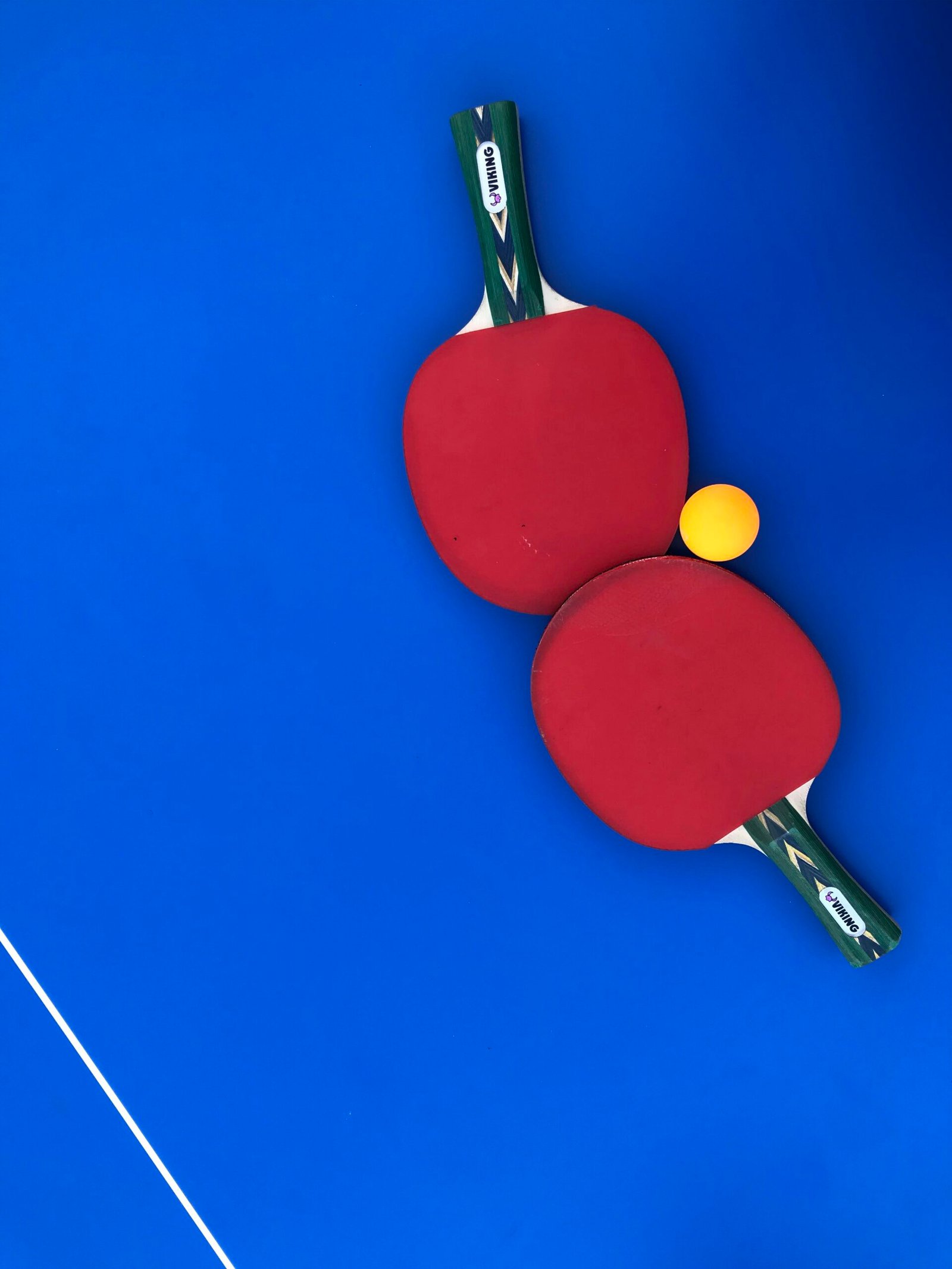
The distinct red and black colors of ping pong paddles are a product of both tradition and regulations set forth by the sport’s governing bodies. This color scheme serves not only aesthetic purposes but also plays a crucial role in gameplay and strategy. Historically, the choice of red and black was established to enhance the differentiation between the two sides of the paddle, thereby making it easier for players, referees, and spectators to identify the type of spin and the characteristics of each side during play.
The International Table Tennis Federation (ITTF) set forth specific regulations regarding the colors of the rubber used on ping pong paddles in 1986. This decision was primarily aimed at standardizing equipment across various levels of competition and ensuring fair play. By mandating that one side of the paddle be red and the other black, the ITTF aimed to make it more straightforward for opponents to anticipate the spins and strategies being employed. The contrasting colors help players quickly recognize which side of the paddle is being used to strike the ball, thus enhancing the game’s pace and overall spectator experience.
Differences in Characteristics Between Red and Black Rubber
In table tennis, the choice of rubber color, whether red or black, extends beyond mere aesthetics; it significantly influences gameplay characteristics such as grip, spin, and speed. Each rubber color offers distinct advantages that can be leveraged by players based on their individual playing styles and strategies.
The red rubber surface is often associated with a greater capacity for generating spin. This characteristic is due in part to the specific composition and texture of the red rubber, which provides enhanced grip on the ball. Players who excel in creating topspin or deceptive spins may prefer red rubber, as it allows them to impart extra rotational force during strokes. This aspect makes red rubber highly suitable for offensive players who rely on spinning powerful shots to outmaneuver their opponents.
Conversely, black rubber is recognized for its speed. Many players note that the black surface tends to be slightly faster than its red counterpart, which can give them a competitive advantage in executing quick attacks. This increased velocity can be attributed to the different types of foam and backing materials often used beneath the black rubber. Consequently, defensive players who prioritize speed and precision may lean towards the black rubber to enhance their gameplay.
Moreover, the selection of rubber color can also influence how opponents perceive and react to a player’s shot. The distinct visual difference between red and black rubber allows players to disguise their intentions and spin techniques. By understanding and capitalizing on the inherent characteristics of both types of rubber, players can devise strategies that effectively utilize the strengths of each color, ultimately leading to better performance in competitive play. Choosing the right rubber—be it red or black—becomes a key decision in mastering the game of table tennis.
Common Playing Styles with Red and Black Sides
Understanding the nuances of playing styles in table tennis is paramount to determining how players utilize the red and black sides of their paddles. The red side, typically characterized by a smoother, glossier surface, is often preferred by aggressive players who rely on speed and spin to dominate their opponents. This side allows for easier execution of powerful topspin shots and drives, making it an ideal choice for those who favor offensive strategies. For instance, professional player Ma Long is well-known for his aggressive style, frequently employing the red side to generate significant topspin that challenges his opponents effectively.
Conversely, the black side of a paddle, which often has a slightly tackier surface, is usually favored by defensive players. This side allows for better control and placement of shots, enabling players to return fast-paced attacks with precision. Defensive players typically utilize the black side for chopping and blocking, as it enhances their ability to read the opponent’s tempo and manipulate the ball’s trajectory. An example of this can be seen in the playing style of Dimitrij Ovtcharov, who strategically employs the black side to counter aggressive opponents while maintaining a solid defensive formation.
The choice between the red and black sides heavily influences a player’s overall strategy during matches. Aggressive players may frequently switch between the two sides to maintain unpredictability, while defensive players rely on the black side for stability and placement. As seen with various professional athletes, the decision on which side to focus on can significantly affect match outcomes. Ultimately, mastering both sides of a paddle enables players to adapt their styles and approaches effectively, ensuring a versatile and competitive edge in the sport.
Tactical Use of Red and Black Sides in Matches
The strategic application of the red and black sides of a ping pong paddle can significantly influence a player’s performance during matches. Each side typically offers distinct characteristics that can be leveraged for tactical advantages. Players often choose to use one side over the other based on the spin, speed, and type of shot they intend to execute. Understanding when to switch sides can add a valuable layer of complexity to a player’s game.
One of the foremost tactical advantages is deception. Skilled players often manipulate their opponents by alternating between the two sides of the paddle. For instance, using the red side for a high-speed topspin shot can mislead the opponent into expecting similar shots consistently. Subsequently, switching to the black side for a sudden backspin can catch them off-guard, causing unforced errors and altering the rhythm of the game. This strategic variation not only maintains uncertainty in the opponent’s anticipation but also opens opportunities to secure points.
Furthermore, variations in spin and speed are critical. The distinct rubber types on each side affect how the ball interacts upon contact. Depending on the match situation, a player might opt to utilize the black side for executing heavy spins while relying on the red side for faster, flatter shots. This understanding allows players to modify their approach, maximizing shot effectiveness based on the current state of play.
Lastly, shot placement can be heavily influenced by side choice. Players can angle their shots differently depending on which side they are using, allowing for greater strategic positioning. Thus, adapting their game plan based on the strengths of the red and black sides offers substantial benefits. Ultimately, effective use of these sides can elevate a player’s tactical prowess, helping them perform at their highest level.
Recommendations for Choosing Your Paddle
When selecting a ping pong paddle, players should consider both their skill level and playing style. Beginners may benefit from paddles that offer a balance between control and speed, allowing them to develop foundational skills effectively. Opting for a beginner-friendly paddle with a soft, yet responsive rubber can enhance touch and precision, especially when learning to navigate the unique characteristics of red and black surfaces.
Intermediate and advanced players, on the other hand, may wish to explore paddles that emphasize specific playing styles, such as offensive or defensive strategies. Offensive players could favor paddles designed with a faster, tackier rubber on one side—often the red side—allowing for stronger topspin shots. Meanwhile, defensive players might choose paddles that incorporate a softer sponge on the black side, which can help absorb powerful shots from opponents, enabling better control and placement.
For beginners seeking to experiment with the benefits of both sides, it is advisable to practice with a combo paddle that features different rubbers on each side. This setup allows players to experience varied spin, speed, and control. A common recommendation is to use the red side for aggressive topspin strokes while relying on the black side for defensive maneuvers. Transitioning between the two can enhance overall gameplay and adaptability during matches.
Additionally, when considering specific paddles, it is crucial to look for those with a comfortable grip and balanced weight, as these factors significantly impact player performance. Paddles such as the Butterfly Timo Boll series or the Stiga Pro carbon paddle are well-acknowledged for offering varying degrees of control, speed, and spin, thus catering to diverse playing styles and preferences.
Training Tips for Mastering Both Sides
Mastering both sides of a ping pong paddle is essential for developing a versatile and effective playing style. To achieve this, players can implement various training drills that focus on enhancing their skills with both the red and black sides. One effective approach is to create a structured practice routine that incorporates different types of drills catering to spin, power shots, and defensive techniques.
For spin exercises, players can practice serving with both the red and black sides. Start by focusing on a specific type of spin, such as topspin or backspin. Set up a target on the opposite side of the table and aim to hit it using the desired spin technique. Gradually increase the difficulty by adjusting the target’s distance or changing the spin type. This drill not only improves spin control but also helps in understanding how each side of the paddle interacts with the ball.
Another essential practice is power shot drills. Players should alternate between using the red and black sides while performing forehand and backhand strokes. One effective drill involves having a partner feed balls at varying speeds and angles, while the player must respond with powerful shots, ensuring to switch paddle sides with each return. This drill develops strength and consistency, fostering an adaptive response to different ball placements.
Furthermore, defensive plays are crucial in mastering both sides of the paddle. A useful drill is to practice blocking and countering shots with both the red and black sides. Set up a scenario where a partner plays different styles of attacks, and the player must focus on returning the ball while alternating sides. This helps improve reflexes and defensive strategies.
By incorporating these varied drills into their practice sessions, players can enhance their skills on both sides of the paddle, ultimately leading to a more refined and strategic game. Regular practice and mindfulness during these drills are key to mastering the unique advantages each side of the paddle provides.
Conclusion: The Impact of Color on Playing Performance
In evaluating the differences between the red and black sides of a ping pong paddle, several key points have emerged that underscore the significance of color in influencing gameplay. The differentiation in surface characteristics between the red and black sides is primarily due to the type of rubber used, which affects grip, speed, and spin. This distinctive feature allows players to optimize their strategy based on their style of play, whether they favor offensive or defensive techniques. The color varies not just for aesthetic purposes but also carries specific implications that could enhance a player’s overall performance on the table.
Moreover, the psychological aspects associated with color perception cannot be ignored. Players often develop preferences for either side of the paddle based on personal experience and comfort, leading to a strategic pairing of their playing style with the attributes of the paddle. The red side is typically associated with greater control and slight modulation in speed, while the black side is noted for generating more spin. These variances can crucially affect how players anticipate and respond to their opponent’s shots, thereby shaping the dynamics of the game.
The choice between red and black paddles and how players utilize these distinct sides can significantly impact their game. By understanding the specific advantages and gameplay nuances offered by each side, players are encouraged to thoughtfully analyze their techniques and consider how to leverage their equipment for optimal performance. Such strategic engagement not only enhances individual skills but also enriches the overall playing experience, making the most of the unique characteristics presented by the red and black surfaces of a ping pong paddle.