Understanding Your Sewing Needs
When considering the purchase of a sewing machine, it is essential to first evaluate your sewing goals. The type of projects you plan to undertake will significantly influence the features you should look for in a machine. Are you primarily interested in basic repairs and alterations, or do you foresee yourself delving into more complex projects, such as quilting or garment making? Each of these sewing pursuits has distinct requirements that can inform your choice.
A self-assessment can help pinpoint your sewing needs effectively. Start by asking yourself a few key questions: What types of fabrics do you intend to work with? Will you primarily be sewing lightweight materials, or do you plan to tackle heavier or specialty fabrics? Understanding your fabric choice can guide you toward a sewing machine with suitable power and capabilities. Additionally, consider how often you plan to sew and the volume of work expected. Higher frequency and larger projects may necessitate a machine with advanced features that can handle prolonged use efficiently.
Furthermore, it may be beneficial to set specific short-term and long-term sewing goals. For instance, if your goal is to learn various techniques, you may want a sewing machine equipped with multiple stitch options and features such as automatic buttonholes. Alternatively, if your primary interest is in quilting, consider a machine that includes quilting feet and an extendable table for larger projects. It’s also pertinent to factor in whether you favor computerized or mechanical models, as each offers a different user experience.
Incorporating these considerations into your decision-making process will ensure that you select a machine tailored to your individual sewing ambitions, ultimately enhancing your creative experience and results.
Types of Sewing Machines
Sewing machines come in various types, each catering to different skill levels and sewing requirements. Understanding these types can significantly influence your purchase decision. The three primary categories are mechanical, electronic, and computerized sewing machines.
Mechanical sewing machines are basic, user-friendly devices that typically feature a series of knobs and levers for adjustments. They are ideal for beginners due to their simplicity and ease of maintenance. Mechanical machines usually come with a limited range of built-in stitch options, but they excel in performing basic tasks such as straight stitching and zigzag stitching. The primary advantage of mechanical machines is their durability; however, their limitations in versatility might deter advanced sewists.
Next, we have electronic sewing machines. These machines incorporate electronic components to provide more precision and control over sewing tasks. Electronic machines often feature programmable stitches and automatic buttonhole options, offering an upgraded experience compared to mechanical models. They are generally suitable for intermediate users who require more features without overwhelming complexity. However, they may be slightly more difficult to repair than their mechanical counterparts.
The third type is computerized sewing machines, which provide an array of advanced functionalities. These machines often come with LCD screens, allowing users to select from hundreds of built-in stitches, adjust stitch length and width, and even incorporate embroidery capabilities. Computerized machines are designed for experienced sewists looking to explore complex projects. While they offer exceptional flexibility and creativity in sewing, they also come at a higher price point and may require familiarity with digital technology.
Choosing the right type of sewing machine ultimately comes down to one’s skill level, project complexity, and budget. By weighing the pros and cons of mechanical, electronic, and computerized machines, shoppers can make informed decisions that best suit their sewing needs.
Key Features to Consider
When selecting a sewing machine, understanding the essential features can significantly impact your sewing experience. One of the primary aspects to consider is the variety and types of stitches available. Most modern sewing machines offer numerous stitch options, ranging from basic straight stitches to intricate decorative ones. A machine that includes multiple stitch types allows users to tackle various projects, whether sewing hems, quilts, or clothing, providing greater versatility in your crafting endeavors.
Another valuable feature is the needle up/down function. This function allows sewers to easily control the position of the needle at the end of a stitch. This can be particularly helpful when maneuvering around corners or pivoting, as it maintains the fabric’s position and reduces the likelihood of misaligned seams. The needle up/down feature enhances precision, which is critical in achieving professional-looking results.
Automatic buttonhole capabilities have become a staple in many sewing machines. This feature simplifies the buttonhole creation process by allowing the machine to automatically size the buttonhole based on the dimensions of the button you are using. It eliminates guesswork and often results in more reliable, consistent buttonholes than those created manually. Additionally, machines with adjustable stitch length and width enable further customization of buttonhole size, accommodating various button styles.
Moreover, features such as a built-in thread cutter, adjustable presser foot pressure, and a drop-in bobbin can also enhance your sewing experience. A built-in thread cutter ensures clean finishes without the need for scissors, saving time during sewing sessions. Adjustable presser foot pressure helps in managing different fabric types, while a drop-in bobbin simplifies the threading process, allowing for quicker changes. Consider these features carefully to ensure your sewing machine aligns with your needs and preferences.
Budgeting for a Sewing Machine
When considering the purchase of a sewing machine, establishing a budget is a crucial first step. The price range for sewing machines can vary significantly based on their features, capabilities, and brand reputation. Basic models typically start around $100, making them accessible for beginners who may wish to explore their sewing skills without a substantial financial commitment. However, as you seek out more advanced features or specialized machines, prices can rise steeply, with some high-end models reaching $1,000 or more.
While it may be tempting to prioritize short-term savings by opting for the least expensive machine available, this approach can sometimes lead to disappointment in functionality or performance. It is essential to weigh the idea of investing in a more robust, durable sewing machine that suits your long-term sewing goals. A higher-quality machine may incur a larger initial cost, but it typically offers better performance, longevity, and reduced maintenance needs over time, ultimately proving more cost-effective.
Additionally, potential buyers should not overlook the value of exploring second-hand options. Many individuals sell their lightly-used sewing machines at significant discounts. Online marketplaces, local thrift stores, and sewing community forums can be excellent resources for finding these deals. When purchasing a used machine, it is advisable to inspect its condition thoroughly and inquire about its maintenance history, ensuring you are making a sound investment.
In conclusion, budgeting for a sewing machine requires a careful balance of initial costs against long-term benefits. By understanding the price range, considering future sewing projects, and exploring all available options, you can make a more informed decision that aligns with your financial plans and sewing aspirations.
Brand Reputation and Reviews
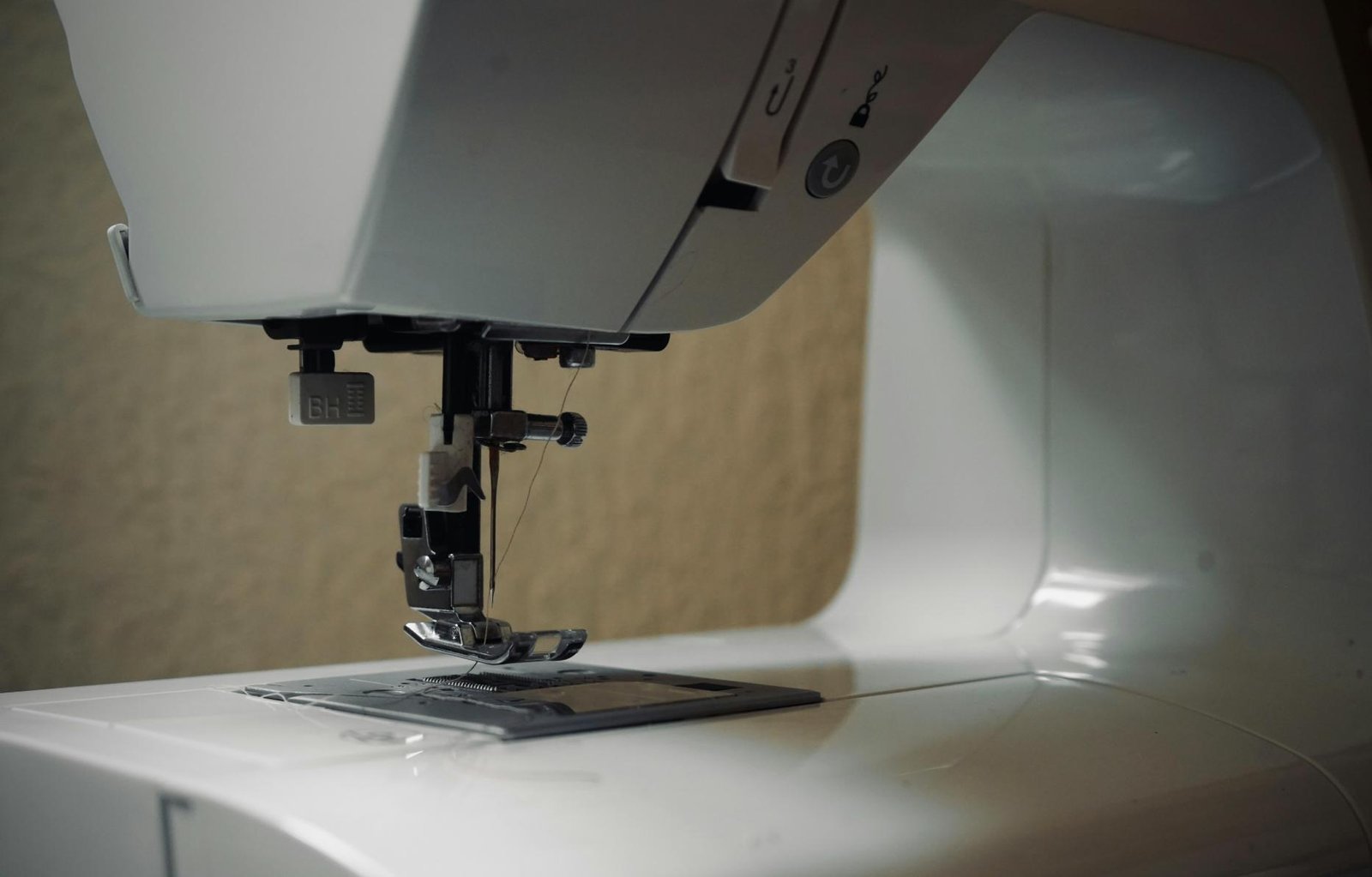
When embarking on the journey to purchase a sewing machine, understanding brand reputation is crucial. Established brands often signify reliability, quality, and customer satisfaction, which can significantly influence your decision-making process. Different sewing machine brands are known for specific features, overall durability, and customer service, making it imperative to conduct thorough research before committing to a purchase.
To assess a brand’s reputation, start by reviewing the manufacturer’s history. Look for brands that have been in the industry for a significant time, as experience often correlates with product quality. Popular brands like Singer, Brother, and Janome have built solid reputations over the years, offering machines that cater to various skill levels and sewing needs. Exploring the range of products offered by these reputable brands can help identify which model best fits your requirements.
A vital part of your research should involve checking customer feedback. Reliable online marketplaces like Amazon, Joann, and Walmart often feature customer reviews that provide insights into users’ experiences with specific models. Pay attention to both positive and negative reviews to get a balanced view. Forums and sewing blogs can also be great resources; they typically feature dedicated discussions and comparisons of different sewing machine brands, allowing for a more in-depth understanding of each option.
Additionally, consider looking at YouTube for video reviews. Many sewing enthusiasts share their hands-on experiences with various machines, which can illuminate not only the functionality and features but also any potential issues users encountered. Testimonials from fellow sewists can prove invaluable, helping to paint a comprehensive picture of what you can expect from a particular sewing machine brand. Gathering insights through various reliable channels will ultimately aid in making an informed decision.
Testing the Machine Before Purchase
When considering the acquisition of a sewing machine, it is essential to test the machine in person whenever feasible. This hands-on experience can provide valuable insights that online research may not offer. The initial step is to ensure that the machine operates smoothly; take a moment to sew on the machine to identify how easily it handles various fabrics. During your test drive, pay attention to the machine’s functionalities and features.
Ease of use is a critical factor. As you test the sewing machine, notice the placement of controls and settings. They should be intuitively located and easily accessible. A machine that feels complicated or cumbersome may lead to frustration, impacting the overall sewing experience. Additionally, evaluate the sound level during operation; a sewing machine that operates quietly is typically a sign of quality engineering, while loud machines may indicate potential issues.
Comfort while operating the machine is another important aspect to consider. Spend some time in various positions to determine if the height and weight of the machine suit your working style. If the machine feels uncomfortable or heavy to maneuver, it may not be the best option for extended periods of use. Furthermore, do not hesitate to ask the retailer for a demonstration. A knowledgeable salesperson can show you the machine’s features and functions, providing clarity on how to effectively use it.
To sum up, the act of testing a sewing machine before purchase is imperative for ensuring it meets your needs and expectations. By assessing comfort, sound levels, and ease of use, as well as seeking expert demonstrations, you can make a more informed decision on your investment, ensuring that you select a machine that enhances your sewing experience.
Maintenance and Warranty Considerations
When purchasing a sewing machine, one of the most significant aspects to examine is the maintenance and warranty options available. Proper maintenance is crucial for the longevity and efficient operation of your sewing machine, and understanding how to care for your device can significantly enhance your sewing experience. Regular maintenance tasks include cleaning, oiling, and checking for alignment issues, which can prevent common problems such as thread jams and uneven stitching. Some machines have self-cleaning features that ease this process, while others may require manual intervention from the user.
In addition, the accessibility of service centers is an important factor to consider. Depending on the brand and model, some sewing machines may only have limited availability when it comes to repair services. When reviewing a machine’s maintenance requirements, also consider the ease of sourcing parts and accessories, as these components may be needed over time as wear and tear occur.
The warranty associated with your sewing machine offers essential peace of mind, providing protection against manufacturing defects and certain types of failures. Typically, warranties will cover parts and labor for a specified period, which can vary widely among manufacturers—from one year to a lifetime on certain components. It is advisable to closely read the terms and conditions of the warranty, as they may include specific stipulations about how maintenance should be conducted to maintain the warranty’s validity.
Furthermore, some manufacturers offer service agreements that extend regularly scheduled maintenance or provide technical support for an additional cost. When considering options, evaluate the long-term benefits of these agreements against your anticipated sewing demands and frequency of use. Ultimately, understanding the maintenance and warranty options of a sewing machine will guide you toward a purchase that not only meets your immediate needs but also serves you reliably for years to come.
Accessories and Add-Ons
When purchasing a sewing machine, it is essential to consider the variety of accessories and add-ons that may accompany the purchase. These complementary items can significantly enhance your sewing experience and increase the functionality of your machine. Commonly included accessories tend to encompass essential items such as presser feet, bobbins, and a variety of needles tailored for different fabric types. For instance, a walking foot can be invaluable for quilting, while a buttonhole foot is crucial for garment-making.
While many sewing machines come with a basic set of accessories, it is important to evaluate whether these meet your specific sewing needs. Some manufacturers offer optional add-ons that can further elevate your sewing capability, such as embroidery units, specialized feet for crafting, or even extra accessories like scissors and seam rippers. In addition, carrying cases are often overlooked; they provide essential protection for your machine during transport and storage, safeguarding your investment.
Moreover, after your initial purchase, you might find the need to expand your collection of accessories to cater to more advanced projects or different fabric types. Upgrading to a range of different presser feet, which can be purchased separately, allows for greater versatility and creativity in your sewing endeavors. For instance, stitch-in-the-ditch feet can help achieve perfect quilt binding, while quilting feet offer enhanced control for free-motion quilting.
Ultimately, understanding the accessories included with a sewing machine and considering additional purchases is fundamental in optimizing your sewing experience. Investing in the right tools can greatly enhance your efficiency and enjoyment, making sewing not just a task, but a fulfilling creative outlet.
Final Advice and Recommendations
As you embark on the journey to purchase a sewing machine, it is essential to keep in mind several key factors that can significantly influence your decision-making process. First and foremost, determine your primary sewing needs. Are you a beginner looking for basic functionality, or are you an experienced seamstress seeking advanced features? Identifying your specific requirements will better guide your selection.
Budget is another critical aspect to consider. Sewing machines come in various price ranges, so set a realistic budget before you begin exploring options. Remember that while higher-priced machines may offer advanced features, there are also excellent models available at more affordable price points. It’s important to balance cost with the features important to you.
Researching brands and models plays a pivotal role in making an informed choice. Some reputable brands such as Brother, Janome, and Singer consistently rank high in customer satisfaction and reliability. Each brand offers specific models tailored to different sewing needs, be it quilting, embroidery, or general sewing. Utilize online reviews and customer feedback to gain insights into the performance and durability of potential selections.
Lastly, consider the importance of support services such as warranty provisions, repair options, and the availability of accessories. A reliable warranty can provide peace of mind as well as support in the event of mechanical issues. Additionally, having access to local sewing machine technicians can enhance your overall experience as a sewing enthusiast.
In summary, by reflecting on your needs, establishing a budget, researching reputable brands, and considering available support services, you will be well-equipped to choose a sewing machine that aligns with your expectations and enhances your sewing journey.